Get Block Retaining Wall Installation in Round Rock, TX
Block retaining wall installation services help property owners in Round Rock, TX, and nearby areas address soil erosion, create level landscapes, and support garden or driveway projects.
Block retaining wall installation services are a practical solution for property owners in Round Rock, TX seeking to improve the stability and functionality of their outdoor spaces. These walls help prevent soil erosion, manage changes in terrain, and create level areas for landscaping or recreational use. By establishing clear boundaries and supporting uneven ground, they contribute to a safer and more organized property, reducing the risk of damage caused by shifting soil or heavy rains.
Choosing professional installation ensures a durable and low-maintenance structure that enhances curb appeal. Well-constructed block retaining walls can withstand the local climate and weather conditions, providing long-lasting support and reducing the need for frequent repairs. Additionally, they add visual interest to a property, making outdoor areas more attractive and inviting for residents and visitors alike. Contacting experienced local contractors can help property owners achieve these benefits with confidence.
- Residential Landscaping - when homeowners want to create or improve outdoor living spaces with durable retaining walls.
- Erosion Control - in areas prone to soil erosion that require stable, long-lasting retaining structures.
- Commercial Property Development - for businesses needing to establish retaining walls to support parking lots or building foundations.
- Garden and Terrace Design - when adding elevated garden beds or terraces that require sturdy retaining solutions.
- Slope Stabilization - in hilly or uneven terrains where retaining walls help prevent landslides and soil movement.
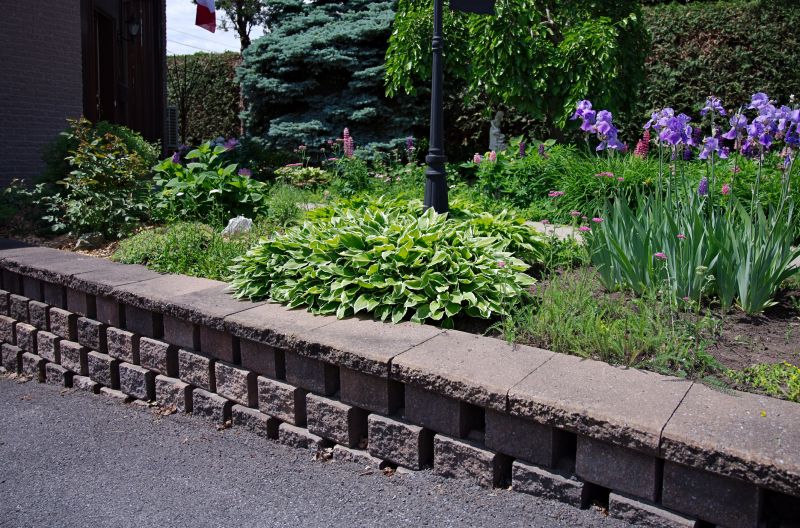
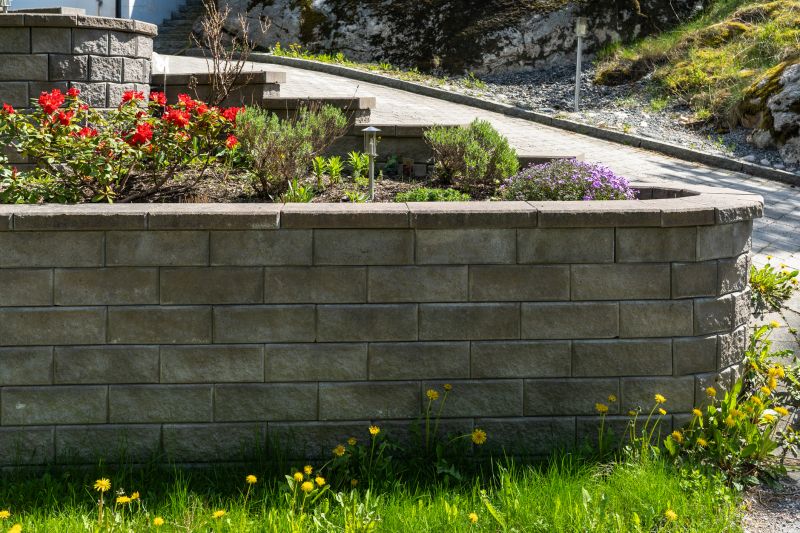
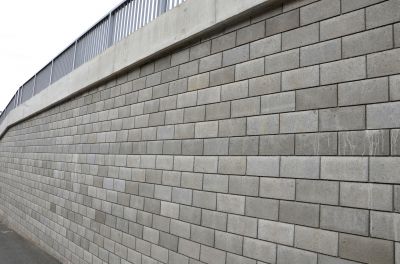
Block retaining wall installation services involve constructing sturdy structures designed to hold back soil and prevent erosion on sloped or uneven landscapes. These walls are typically built using interlocking concrete blocks, which are stacked to create a durable barrier that can support significant weight. The process often includes site preparation, precise placement of blocks, and ensuring proper drainage to maintain the integrity of the wall over time. Professional contractors assess the terrain, soil type, and landscape needs to design a retaining wall that effectively manages soil stability and enhances the property's appearance.
This service addresses common problems such as soil erosion, landscape instability, and the need for additional usable space. Without proper support, sloped land can be prone to shifting, leading to potential damage to structures or landscaping features. Installing a block retaining wall helps contain soil, preventing landslides or washouts during heavy rains. It also provides a stable foundation for creating terraces, garden beds, or patios, thereby expanding functional outdoor areas. Properly installed retaining walls can also serve as decorative elements, adding visual interest and value to residential or commercial properties.
Properties that frequently utilize block retaining wall installation include residential homes, especially those with sloped yards or uneven terrain. Commercial properties, such as retail centers or industrial sites, may also require retaining walls to manage large-scale land grading and drainage. Additionally, public parks and community spaces often incorporate these structures to create level areas for recreational activities or seating. The versatility and durability of block retaining walls make them suitable for a wide range of property types where soil stability and landscape design are priorities.
Professional installation ensures that block retaining walls are constructed to withstand environmental stresses and long-term use. Local contractors typically evaluate the specific needs of each property, considering factors like soil conditions, slope steepness, and aesthetic preferences. They then design and build retaining walls that effectively address soil retention challenges while complementing the property's overall landscape. Contacting experienced service providers can help property owners find solutions that improve stability, prevent erosion, and enhance outdoor spaces with a reliable and visually appealing structure.
The overview below groups typical Block Retaining Wall Installation projects into broad ranges so you can see how smaller, mid-sized, and larger jobs often compare in Round Rock, TX.
In many markets, a large share of routine jobs stays in the lower and middle ranges, while only a smaller percentage of projects moves into the highest bands when the work is more complex or site conditions are harder than average.
Material Costs - The cost of materials for block retaining walls typically ranges from $15 to $30 per square foot. For example, a 50-foot wall might require $750 to $1,500 worth of blocks. Material prices can vary based on type and quality.
Labor Expenses - Labor costs for installing a block retaining wall generally fall between $20 and $50 per hour. For a standard 100-foot wall, total labor might range from $2,000 to $5,000 depending on complexity and site conditions.
Project Size and Complexity - Larger or more complex projects tend to increase overall costs, often reaching $10,000 or more for extensive installations. Smaller or straightforward walls may cost under $3,000 to complete.
Additional Costs - Extra expenses such as drainage systems, backfill, or permits can add $500 to $2,000 or more. These costs vary based on project specifics and local regulations.
Actual totals will depend on details like access to the work area, the scope of the project, and the materials selected, so use these as general starting points rather than exact figures.
Residential Landscaping Projects - Block retaining walls are often installed to enhance yard aesthetics and manage soil stability around homes in neighborhoods like Round Rock, TX.
Commercial Property Developments - Local contractors frequently install block retaining walls to create functional outdoor spaces and support structural requirements for commercial sites.
Terrace and Patio Construction - Retaining walls made of blocks are used to level uneven terrain, providing a stable foundation for outdoor living areas.
Erosion Control Solutions - Contractors utilize block retaining walls to prevent soil erosion on slopes and hillside properties in the local area.
Garden and Landscape Edging - Installing block retaining walls helps define garden beds and landscape features with a durable, attractive border.
Slope Stabilization Projects - Local pros implement block retaining walls to reinforce steep or unstable slopes, ensuring long-term stability and safety.
When evaluating local professionals for block retaining wall installation, it’s important to consider their experience with similar projects. Homeowners should seek out contractors who have a proven track record of completing retaining wall installations in their area, as familiarity with local soil conditions, climate factors, and common design preferences can influence the quality and longevity of the work. Reviewing a contractor’s portfolio or asking for references can provide insight into their expertise and help determine if they have successfully handled projects comparable to the homeowner’s needs.
Clear communication and well-defined expectations are essential components of a successful project. Homeowners are encouraged to discuss project scope, materials, and design preferences upfront with potential contractors. Reputable service providers typically provide detailed written estimates or proposals that outline the work to be performed, materials to be used, and approximate timelines. This transparency helps ensure that both parties have aligned expectations and can address any questions or concerns before work begins.
Reputable local pros often have established references or reviews from previous clients within the community. These references can offer valuable insights into the contractor’s professionalism, reliability, and quality of work. When considering different options, homeowners should inquire about past projects and seek feedback on communication, adherence to deadlines, and overall satisfaction. Effective communication throughout the process-prompt responses, clarity on project details, and openness to questions-also plays a crucial role in selecting a contractor capable of delivering a successful retaining wall installation.
Property owners in Round Rock, TX use Block Retaining Wall Installation services for practical projects around their homes and businesses. The sections below highlight everyday jobs and straightforward project options.
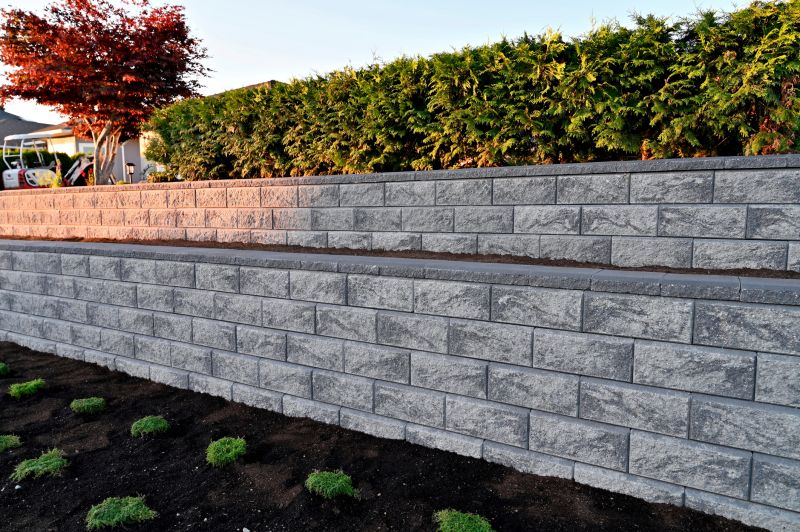
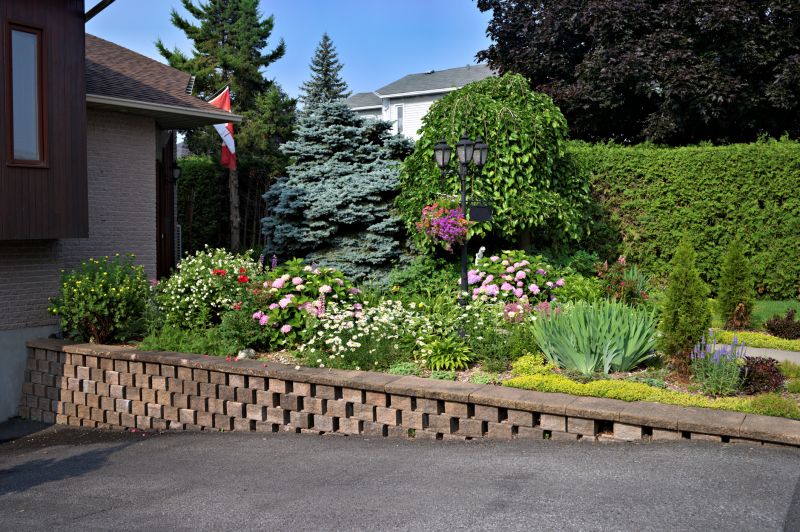
Block retaining wall installation services are commonly sought by property owners in Round Rock, TX, who want to improve the stability and appearance of sloped or uneven yard areas. These projects often arise when homeowners need to prevent soil erosion, create level spaces for gardens, patios, or outdoor living areas, or define property boundaries more clearly. Local contractors can assist with designing and building durable walls that complement the landscape and meet the specific needs of the property.
In addition, property owners may look for retaining wall services when preparing for upcoming landscaping projects or addressing issues caused by shifting soil or heavy rainfall. Installing a properly constructed block wall can help manage drainage concerns and protect structures from potential damage. Local service providers are available to evaluate the site conditions and recommend solutions that reinforce the landscape’s stability and aesthetic appeal.
What are the benefits of installing a block retaining wall? A block retaining wall can help prevent soil erosion, define landscape areas, and add structural support to sloped terrain.
How long does a typical block retaining wall installation take? The duration depends on the size and complexity of the project, but local contractors can provide estimates based on specific site conditions.
What materials are commonly used for block retaining walls? Concrete blocks, segmental retaining wall blocks, and natural stone are popular choices used by local service providers.
Are there any permits required for installing a retaining wall? Permit requirements vary by location; contacting local authorities or contractors can help determine if permits are necessary.
How can I ensure the stability of my retaining wall? Proper design, quality materials, and professional installation by experienced contractors help ensure the wall's stability and longevity.
Design Considerations for Block Retaining Walls - Local service providers can assist with planning the layout and selecting appropriate materials to ensure stability and aesthetic appeal.
Site Preparation and Foundation Work - Experienced contractors can prepare the ground and build a solid foundation to support the retaining wall's long-term performance.
Drainage Solutions for Retaining Walls - Professionals can incorporate effective drainage systems to prevent water buildup and maintain wall integrity.
Permitting and Compliance Guidance - Local experts can advise on necessary permits and ensure installation meets regional building codes and standards.
Considering Block Retaining Wall Installation for a property in Round Rock, TX? The sections above highlight common project types, practical options, and details that often shape the scope of work.
When you are ready, use the quote form to share a few details about your project. Local pros can review the basics and respond with options that match what you have in mind.