Get Retaining Wall Replacement
Retaining Wall Replacement services help property owners fix or replace aging, damaged, or unstable walls to improve safety, prevent erosion, and support landscape projects.
Retaining wall replacement is an important project for property owners looking to improve the stability and appearance of their outdoor spaces. Whether addressing structural issues, preventing erosion, or enhancing landscape design, choosing the right local contractors can make a significant difference. This page is designed to help property owners explore their options and connect with experienced service providers who specialize in retaining wall replacement.
Understanding the practical reasons for replacing a retaining wall can guide property owners in planning their next steps. Local contractors have the expertise to evaluate existing structures, recommend suitable materials, and ensure the work aligns with the specific needs of the property. Keep reading to learn more about how these services can support your property’s stability and aesthetic appeal.
- Retaining Wall Replacement - homeowners needing to replace aging or damaged retaining walls to maintain landscape stability.
- Retaining Wall Repair - property owners seeking repairs for leaning, cracking, or compromised retaining walls.
- Retaining Wall Installation - individuals planning new landscaping projects that require the construction of retaining walls.
- Retaining Wall Reinforcement - clients looking to strengthen existing retaining walls to improve durability and safety.
- Retaining Wall Upgrading - those interested in upgrading their current walls for enhanced appearance or increased load capacity.
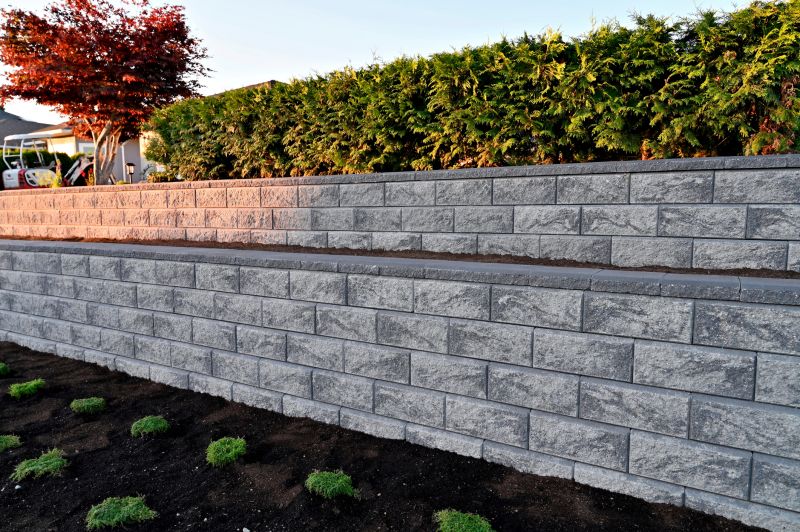
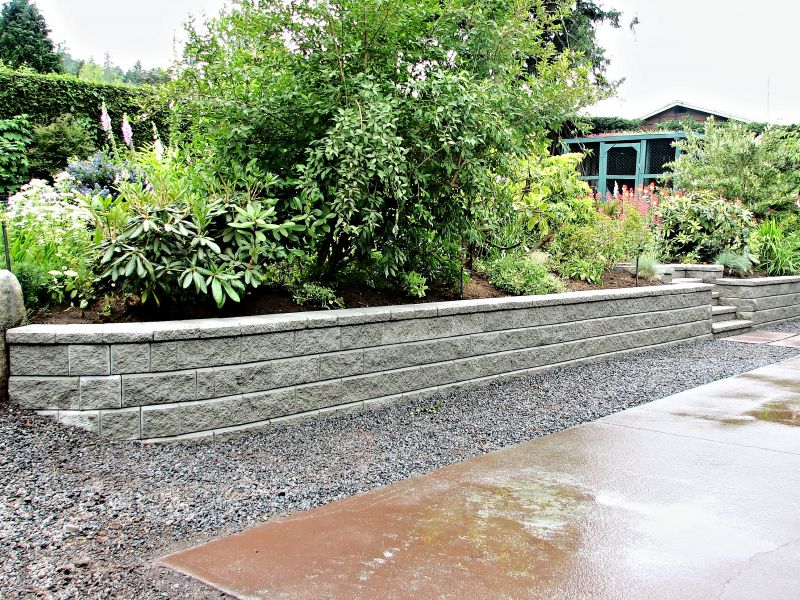
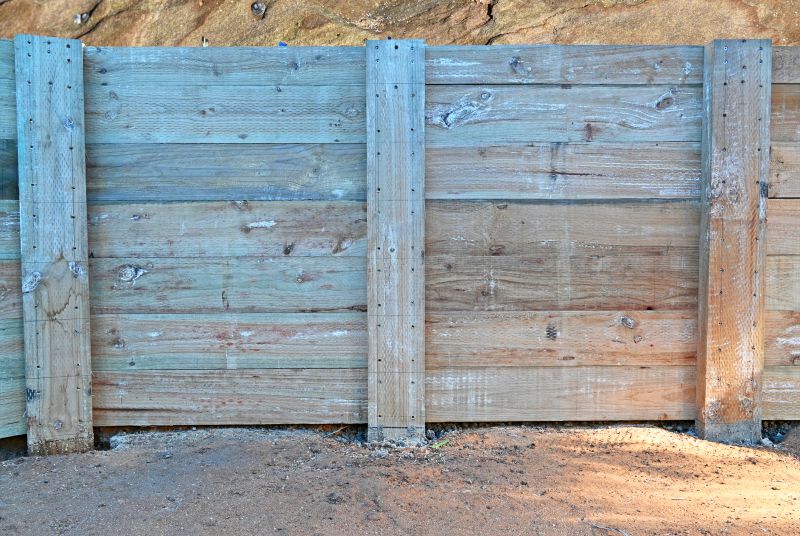
Retaining wall replacement services involve removing old, damaged, or unstable retaining walls and installing new structures to support soil and prevent erosion. This process typically includes assessing the current wall’s condition, excavating the area as needed, and constructing a durable, properly engineered wall using materials such as concrete, stone, or timber. The goal is to create a stable barrier that maintains the integrity of slopes, garden beds, or property boundaries, helping to prevent soil movement and protect landscaping or structures nearby.
These services are essential for resolving problems caused by failing retaining walls, such as soil erosion, water drainage issues, or shifting terrain. Over time, walls can weaken due to weather exposure, poor initial construction, or natural settling, leading to cracks, leaning, or collapse. Replacing an aging or compromised wall restores stability, reduces the risk of property damage, and enhances the overall appearance of outdoor spaces. Service providers can evaluate whether a repair is sufficient or if a full replacement is necessary to ensure long-term stability.
Retaining wall replacement is commonly needed on residential properties with sloped yards, gardens, or driveways that require additional support. It is also frequently used in commercial settings where land needs to be terraced or leveled for construction or landscaping projects. Homeowners experiencing signs of wall failure, such as leaning, bulging, or cracks, should consider replacement to maintain safety and property value. These services are suitable for a variety of property types, including hillside homes, suburban yards, and commercial sites with uneven terrain.
By working with experienced local contractors, homeowners can find solutions tailored to their specific property needs. Professionals can recommend appropriate materials and construction techniques based on the site’s conditions, ensuring that the new retaining wall provides reliable support and durability. Contacting local service providers for a consultation can help determine if a retaining wall replacement is the right step to improve safety, prevent further issues, and enhance the landscape’s overall stability.
The overview below groups typical Retaining Wall Replacement projects into broad ranges so you can see how smaller, mid-sized, and larger jobs often compare in your area.
In many markets, a large share of routine jobs stays in the lower and middle ranges, while only a smaller percentage of projects moves into the highest bands when the work is more complex or site conditions are harder than average.
Smaller Repairs - minor retaining wall replacements or repairs typically cost between $250 and $600. Many routine jobs fall within this range, especially for straightforward projects using standard materials.
Mid-Range Projects - replacing or upgrading a standard retaining wall often ranges from $1,000 to $3,000. Many local contractors handle projects in this band, which covers most average-sized replacement jobs.
Larger, Complex Projects - extensive or custom retaining wall replacements can reach $4,000 to $8,000 or more. Fewer projects push into this high tier, usually involving challenging terrain or specialized materials.
Full Replacement or Major Overhauls - complete overhauls or large-scale replacements can exceed $10,000, depending on size and complexity. These projects are less common and typically involve significant structural or design considerations.
Actual totals will depend on details like access to the work area, the scope of the project, and the materials selected, so use these as general starting points rather than exact figures.
Landscape Gardening Projects - These projects often require knowledge of soil stability, grading, and structural support similar to retaining wall replacements.
Terrace and Patio Construction - Building outdoor terraces or patios involves planning and installing structural elements that manage soil and terrain, akin to retaining wall work.
Erosion Control Installations - Erosion control projects involve the use of barriers and soil stabilization techniques comparable to those used in retaining wall replacement services.
Garden Wall Construction - Constructing decorative or functional garden walls shares skills in masonry, planning, and landscape integration with retaining wall projects.
Drainage System Installation - Proper drainage planning and installation are essential in retaining wall projects to prevent water-related issues.
Foundation Reinforcement - Reinforcing or repairing foundations involves similar planning, soil assessment, and structural work as required for retaining wall replacements.
When evaluating potential contractors for retaining wall replacement, it’s important to consider their experience with similar projects. Homeowners should look for service providers who have a proven track record of completing retaining wall replacements comparable in scope and complexity. This helps ensure that the contractor understands the specific challenges involved and has the practical skills to deliver a successful result. Asking for examples of past work or references related to similar projects can provide valuable insight into their capabilities and expertise.
Clear, written expectations are essential when comparing local contractors. A reputable service provider should be able to outline the scope of work, materials to be used, and any other relevant details in a written proposal or estimate. This documentation helps prevent misunderstandings and ensures that both parties have a mutual understanding of the project’s parameters. Homeowners are encouraged to review these documents carefully, asking questions or requesting clarifications to ensure that expectations are aligned before work begins.
Effective communication and reputable references are key indicators of a reliable contractor. Good communication includes responsiveness to inquiries, transparency about processes, and a willingness to discuss project details openly. Additionally, seeking references from previous clients can help confirm the contractor’s reputation for quality work and professionalism. It’s worth noting that the site connects homeowners with local service providers who can handle retaining wall replacements, but it does not perform the work itself. This approach allows homeowners to compare options and select the best local contractor for their needs.
Property owners use Retaining Wall Replacement services for practical projects around their homes and businesses. This guide focuses on everyday jobs and straightforward project options.
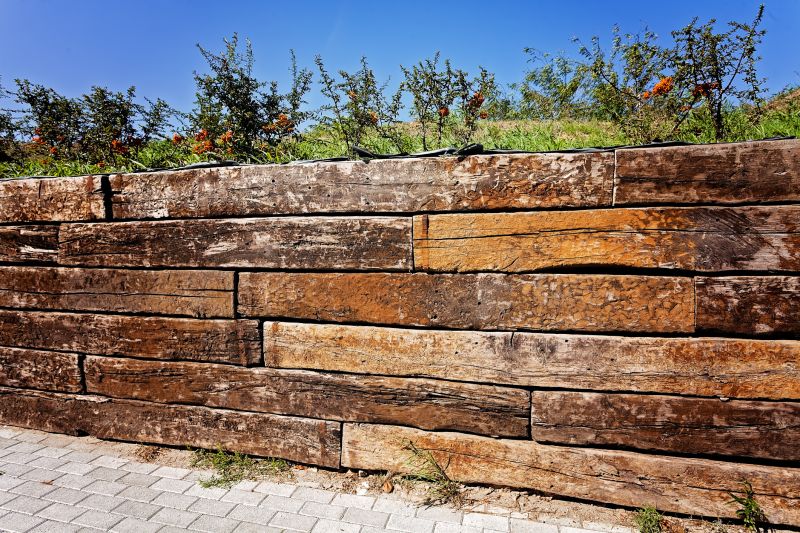
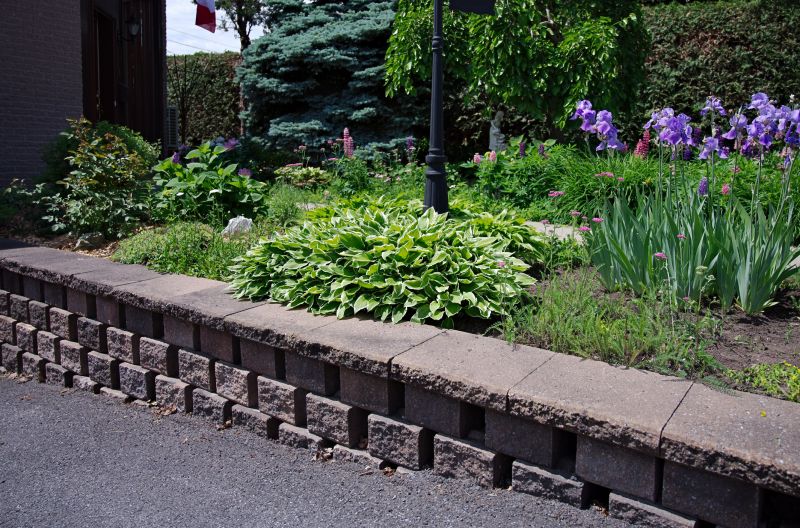
Retaining wall replacement is a common project for property owners dealing with shifting or damaged walls caused by soil erosion, weather wear, or age. In many cases, local contractors are called upon to assess the structure and determine whether a replacement is necessary to maintain the stability and safety of outdoor spaces. Whether it's for a garden, driveway, or hillside, replacing an old or compromised retaining wall helps prevent further damage and supports the landscape’s overall integrity.
Property owners often seek retaining wall replacement services to improve the appearance of their yards or to address safety concerns. Over time, walls can weaken or crack, especially after heavy rain or soil movement, prompting the need for professional replacement. Local service providers are available to handle these projects, offering solutions that restore the landscape’s function and curb appeal while ensuring the stability of the surrounding soil and structures.
What are the signs that a retaining wall needs replacement? Indicators include leaning, cracking, bulging, or complete failure of the wall, which may compromise the stability of the surrounding landscape.
How do I know if a retaining wall should be replaced instead of repaired? If the damage is extensive, such as significant structural failure or widespread deterioration, replacing the wall is often recommended over repairs.
What types of materials are used for retaining wall replacements? Common materials include concrete blocks, poured concrete, natural stone, and timber, chosen based on the landscape and structural needs.
Are there any permits required for replacing a retaining wall? Permit requirements vary by location; local contractors can advise on whether permits are necessary for your project.
How can I find local contractors who specialize in retaining wall replacement? This website can help connect you with experienced service providers in your area who handle retaining wall replacements.
Garden Bed Support - Replacing a retaining wall can help create a stable foundation for garden beds or landscaping features on a sloped yard.
Erosion Control - Installing a new retaining wall can prevent soil erosion around the property’s foundation or along pathways.
Property Boundary Definition - A new retaining wall can define property lines or separate different areas of a yard for better organization.
Outdoor Living Space Expansion - Replacing an old wall can provide a level surface for patios, seating areas, or outdoor kitchens.
If you are thinking about Retaining Wall Replacement for a property, this guide is meant to help you understand the work, the typical project types, and how different options might fit your plans.
When you are ready, you can use the quote form on this page to share a few details about your project. From there, local pros can review the basics and respond with options that match what you have in mind.