Compare Local Contractors for Retention Wall Installation Success
Compare local contractors for retention wall installation to define project scope, verify experience, and establish clear expectations for a successful outcome.
Retaining wall installation is a specialized service that involves constructing structures designed to hold back soil and prevent erosion on sloped or uneven land. These projects often include tasks such as site assessment, excavation, selecting appropriate materials like concrete, stone, or timber, and ensuring the wall’s stability through proper drainage and reinforcement techniques. Property owners should clearly define the scope of work, including the size and height of the wall, the materials to be used, and any necessary site preparation, to ensure the project meets their needs and expectations.
Understanding the scope of a retention wall project is essential for setting realistic expectations and avoiding misunderstandings. A detailed scope helps property owners communicate their goals effectively and provides a basis for comparing bids from different service providers. It should specify key elements such as the dimensions of the wall, soil conditions, drainage considerations, and any additional features like steps or decorative finishes. Having this clarity in writing can also serve as a reference throughout the project to confirm that the work aligns with initial plans.
When evaluating local contractors for retention wall installation, property owners can compare their experience, reputation, and approach to project management. It’s helpful to review the types of projects they have completed, ask about their familiarity with local soil and weather conditions, and verify their understanding of best practices in retaining wall construction. Additionally, gathering references or feedback from previous clients can provide insight into the quality of work and professionalism. Ensuring that scope details are discussed and documented before work begins can contribute to a smoother process and a result that meets the property owner’s expectations.
Compare local contractors by outlining project priorities, verifying experience, and setting clear expectations in writing.
- Compare Contractors - review multiple local contractors to find the best match for your retention wall project.
- Define Project Scope - clearly outline the work needed to ensure all parties understand expectations.
- Verify Experience - check the background and past work of local service providers to assess their expertise.
- Document Agreements - put all project details and expectations in writing to avoid misunderstandings.

Before comparing contractors, clearly describe your retention wall project to ensure accurate scope definition and expectations.
- Verify the contractor’s experience with retaining wall installation projects of similar scope and complexity. - Ensure that the service provider can clearly define the project scope and materials in writing before work begins.
- Check for references or reviews related to previous retaining wall installations to assess quality and reliability. - Confirm that the contractor adheres to proper site preparation and safety practices during installation.
- Discuss and document the specific design, materials, and construction methods to be used in the project scope. - Confirm that the contractor has appropriate equipment and expertise for the type of retaining wall needed.
- Ensure that the contractor understands local soil conditions and drainage requirements that could affect the wall’s stability. - Request a detailed written estimate that outlines the work process, materials, and responsibilities.
- Compare multiple local contractors to evaluate their communication, clarity, and professionalism during the initial consultation. - Make sure all project expectations, deliverables, and responsibilities are documented in a comprehensive agreement.
Use this to compare local contractors, clarify scope, verify experience, and set clear expectations in writing.
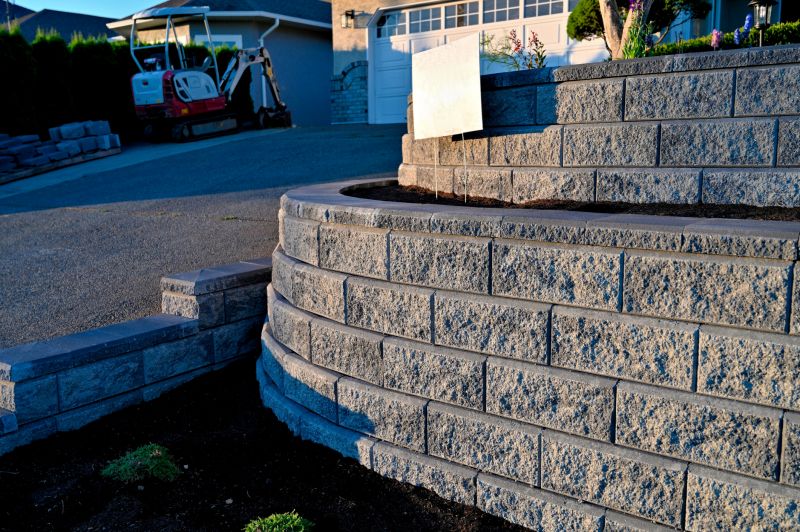


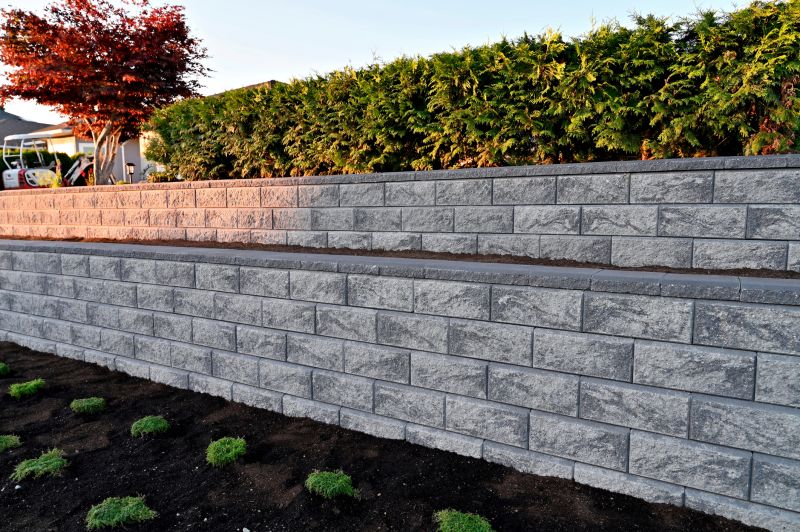
This section helps compare local contractors' scope, experience, and written expectations for consistent retention wall installation.
- Scope Definition - Clearly outline the specific tasks and responsibilities involved in the retention wall installation project.
- Material Selection - Specify the types of materials to be used and any preferences or requirements for durability and appearance.
- Experience Verification - Confirm that the service providers have relevant experience with retention wall construction and similar projects.
- Project Expectations - Document the desired outcomes, dimensions, and structural considerations to ensure alignment with the service provider's plan.
- Written Agreement - Ensure all project details, scope, and expectations are documented in a formal agreement before work begins.
When evaluating contractors for retention wall installation, it’s important to consider their experience with similar projects. Homeowners should inquire about the types of retaining walls they have built in the past, paying attention to the size, material, and terrain conditions involved. Contractors with a proven track record in projects comparable to the scope at hand are more likely to understand the specific challenges and requirements, helping ensure the finished wall meets expectations for durability and stability.
A clear, written scope of work is essential for a successful project. Homeowners should seek detailed descriptions of the work to be performed, including the materials to be used, the dimensions of the wall, and any site preparation or additional features included in the installation. Having this information in writing helps prevent misunderstandings and provides a basis for evaluating whether a contractor’s approach aligns with the homeowner’s goals and needs.
Verification basics involve confirming a contractor’s experience and reputation through references or prior project examples. Homeowners can ask for contact information of past clients or reviews of similar projects. It’s also helpful to verify that the contractor clearly states the responsibilities and deliverables in the scope of work, ensuring all parties have a shared understanding of what the project entails. This process assists in assessing the contractor’s professionalism and attention to detail.
When comparing options, homeowners should focus on the quality and completeness of the scope, the contractor’s experience with similar projects, and their ability to communicate clearly in writing. It’s beneficial to ask questions about the proposed approach, materials, and timeline to gauge the contractor’s knowledge and transparency. By evaluating these factors, homeowners can make more informed decisions about which service providers are best suited to handle the job, leading to a smoother project process and a successful retention wall installation.
Ask contractors to provide written scope details to ensure clear expectations and consistent project understanding.
- Experience and Credentials - What experience do local contractors have with retaining wall installation projects similar to yours?
- Scope of Work - How do contractors define and clarify the scope of work to ensure all project details are covered?
- Materials and Techniques - What materials and construction techniques do local service providers recommend for your specific site conditions?
- Project Expectations - How do contractors outline project expectations and deliverables in written agreements?
- Comparison Criteria - What factors should be used to compare different contractors beyond pricing and timelines?
How can I compare contractors for retention wall installation? To compare contractors, review their experience, ask for references, and verify their previous work to ensure they have relevant expertise in retention wall projects.
What should I consider when defining the scope of the project? Clearly outline the size, materials, and design preferences for the retention wall, and discuss these details with potential contractors to ensure mutual understanding.
How do I verify a contractor’s experience with retention walls? Request information about their past projects, look for examples of similar work, and inquire about their familiarity with the specific techniques and materials involved.
Why is it important to put project details in writing? Having a written agreement helps set clear expectations, defines the scope of work, and provides a record of what has been agreed upon to avoid misunderstandings.
What questions should I ask a contractor before hiring? Ask about their previous experience, the materials they recommend, how they handle unforeseen issues, and whether they provide warranties or guarantees for their work.
How can I ensure the contractor understands my project needs? Communicate your goals clearly, provide detailed descriptions, and confirm that the contractor acknowledges and agrees to the scope and specifications in writing.
Understanding the key aspects of retaining wall installation can help in making informed decisions. Visitors learned how to define the scope of their project, verify the experience of service providers, and set clear expectations through written agreements. Comparing local contractors allows for a better sense of available options, ensuring choices are based on relevant qualifications and services.
Using the quote form provides an effective way to connect with local contractors capable of handling retention wall projects. It offers a straightforward method to explore and compare different service providers, helping to identify options that align with specific project needs. Taking the time to evaluate and communicate project details can support a smooth and successful installation process.