Compare Local Contractors for Retention Wall Construction Success
Compare local contractors for retention wall construction to define scope, verify experience, and set clear expectations, ensuring a successful project aligned with your property goals.
Retaining walls are structures designed to hold back soil and prevent erosion on sloped properties. They often involve a combination of excavation, foundation work, and the installation of durable materials such as concrete, stone, or timber. The scope of retention wall construction can vary widely, encompassing simple gravity walls for small gardens to complex reinforced systems for hillside properties. Understanding what the work covers helps property owners communicate their needs clearly and ensures that contractors can provide appropriate solutions tailored to the specific site conditions and landscape requirements.
Defining the scope of a retention wall project is essential for establishing clear expectations and avoiding misunderstandings. This process includes specifying the desired size, height, and materials of the wall, as well as any additional features like drainage systems or decorative elements. A well-defined scope also considers site-specific factors such as soil type, slope stability, and accessibility. When property owners articulate these details in writing, it provides a solid foundation for evaluating proposals, comparing local contractors, and ensuring that all parties share a common understanding of the work involved.
Comparing local contractors for retention wall construction involves assessing their experience, expertise, and approach to similar projects. Property owners should look for service providers who have a proven track record with the type of wall needed and who can clearly outline their process and scope. Asking for detailed proposals and written descriptions of the work helps to identify differences in how contractors plan to approach the project. Verifying references or reviewing past work can provide additional insights into a contractor’s reliability and quality. By taking these steps, property owners can make informed decisions and select service providers that best match the specific requirements of their landscape and property.
Compare local contractors by outlining your project priorities, verifying experience, and setting clear expectations in writing.
- Compare Contractor Credentials - Review the experience and background of local contractors to ensure they are qualified for retention wall projects.
- Define Project Scope Clearly - Establish detailed expectations and specifications to align with the capabilities of potential service providers.
- Verify Past Work and References - Request examples of previous retention wall projects and contact references to assess reliability.
- Document Agreements in Writing - Ensure all project details, responsibilities, and expectations are confirmed through written agreements.
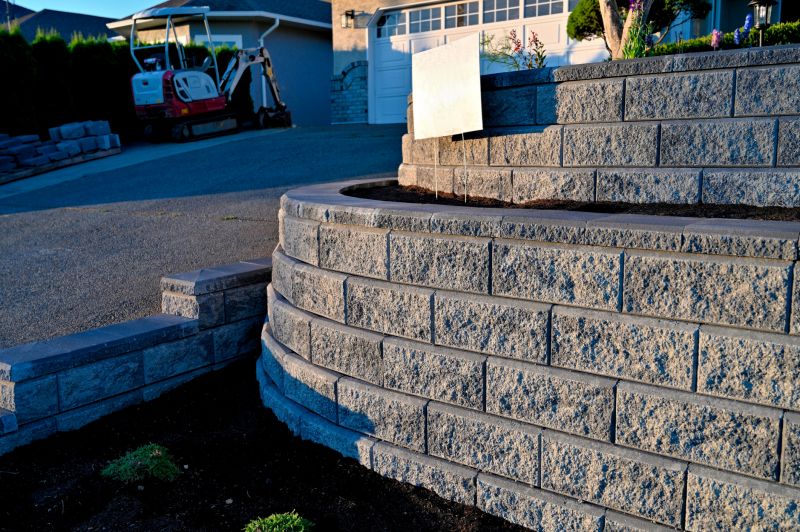
Before comparing local contractors for retention wall construction, clearly define your project scope and verify their experience.
- Verify experience and expertise in retaining wall construction to ensure familiarity with project requirements. - Assess the contractor’s previous work and references related to similar retention wall projects.
- Define the scope of work clearly to avoid misunderstandings and ensure all project details are documented in writing. - Clarify materials, design specifications, and any additional features during the planning phase.
- Check for proper project planning and site assessment practices to confirm the contractor evaluates site conditions thoroughly. - Ensure they consider soil stability, drainage, and environmental factors relevant to retention walls.
- Review the proposed construction methods and materials to confirm they meet structural and safety standards. - Discuss the construction process and verify that the methods align with best practices for durability.
- Request detailed written estimates and scope descriptions to compare offerings from different local contractors accurately. - Make sure all project elements, costs, and expectations are documented before work begins.
- Ensure the contractor provides a clear contract outlining responsibilities, warranties, and project specifications to set proper expectations. - Confirm that all agreed-upon terms are documented to prevent future disputes.
Compare local contractors’ experience and clarify project scope to ensure successful retention wall construction.
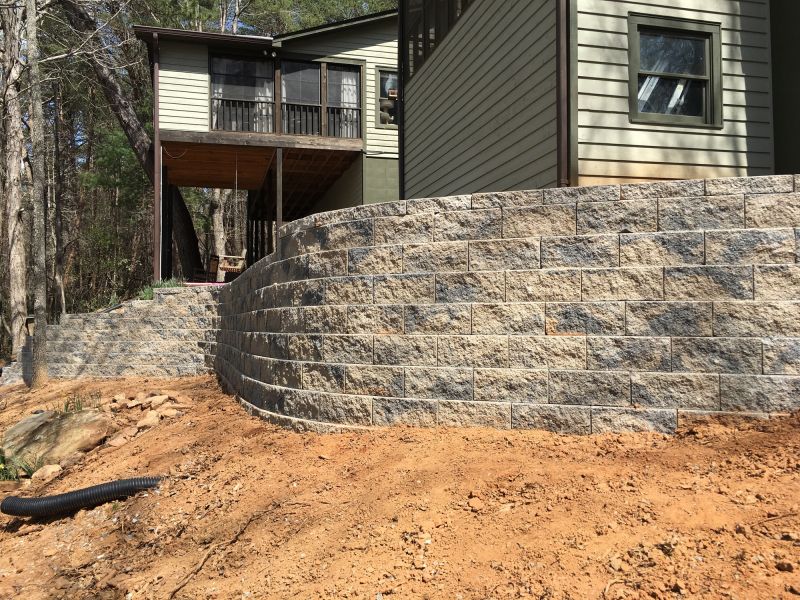
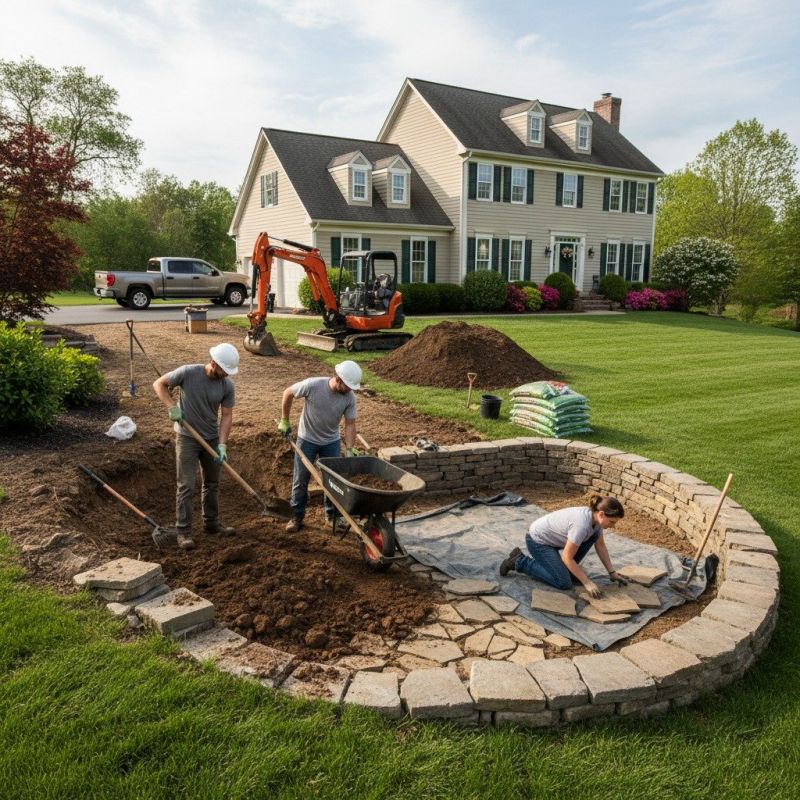
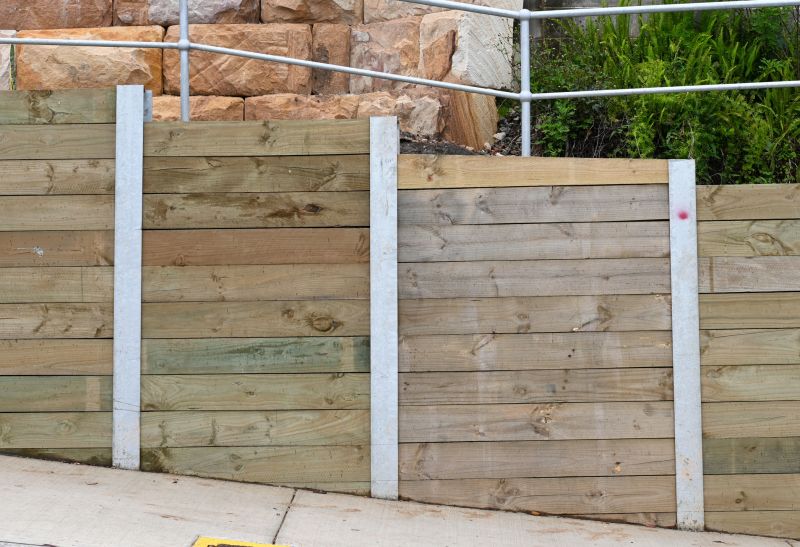
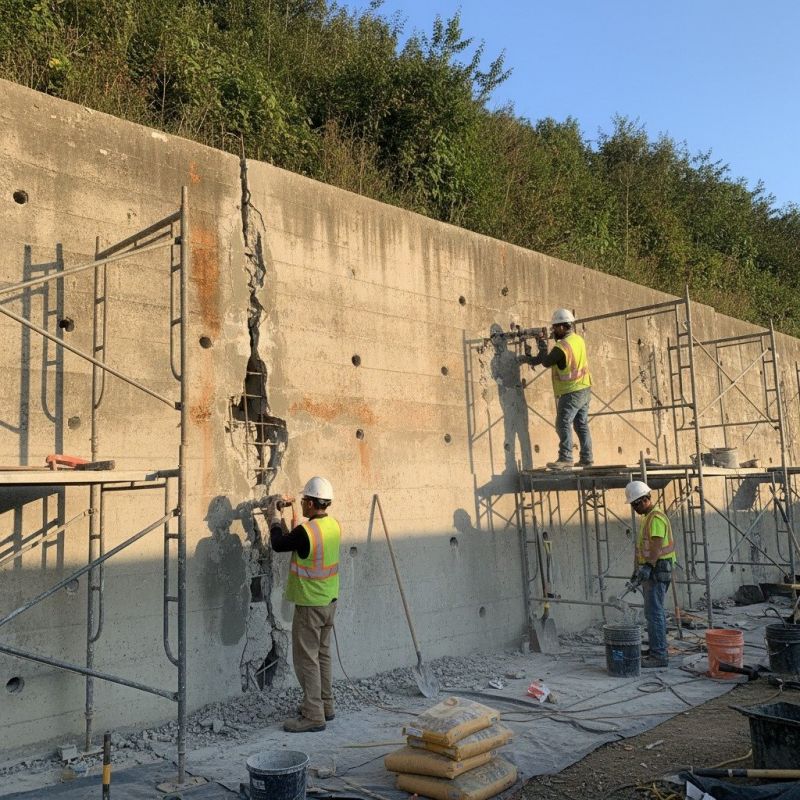
Learn how to compare local contractors for retention wall construction by defining scope, verifying experience, and setting clear expectations.
- Project Scope - Clearly define the size, height, and length of the retention wall needed for the project.
- Material Selection - Specify the types of materials preferred or required for the retention wall construction.
- Site Conditions - Describe the existing site conditions, including soil type, slope, and drainage considerations.
- Design Requirements - Outline any design features, aesthetic preferences, or structural considerations to be included.
- Work Responsibilities - Identify which tasks are to be handled by the service provider and which are the client's responsibilities.
When comparing contractors for retention wall construction, it is important to evaluate their experience with similar projects. Homeowners should inquire about the types of retaining walls they have built in the past, paying attention to projects that match the scope and complexity of the work needed. Contractors with a proven track record in constructing walls of comparable size and terrain are more likely to understand the challenges involved and deliver results that meet expectations. Gathering details about their previous work can provide insight into their familiarity with different materials, site conditions, and design considerations.
A clear, detailed written scope of work is essential for setting expectations and avoiding misunderstandings. Homeowners should seek contractors who can provide a comprehensive description of the project, including the materials to be used, the methods for excavation and reinforcement, and the estimated responsibilities of each party. This documentation helps ensure that both parties share a common understanding of the work to be performed and provides a basis for addressing any questions or concerns before construction begins. A well-defined scope also serves as a reference point throughout the project, supporting effective communication and accountability.
Verification basics involve confirming that a contractor’s experience aligns with the project’s specific requirements. Homeowners can ask for references or examples of completed work similar to their project, and verify that the contractor has a history of successful projects in the local area. It’s also beneficial to assess the contractor’s reputation through reviews or testimonials from past clients, which can shed light on their reliability and quality of work. Ensuring that the contractor’s background matches the scope and complexity of the project helps build confidence in their ability to execute the work effectively.
Evaluating options without focusing on prices involves examining the quality of the proposals, the clarity of the scope, and the professionalism of each service provider. Homeowners should compare how well each contractor understands the project, the thoroughness of their written scope, and the consistency of their communication. It is also helpful to assess how each contractor plans to approach the work, including their methods and materials, to determine which aligns best with the project’s needs. By focusing on experience, scope clarity, and verification, homeowners can make informed decisions that lead to successful retention wall construction.
Ask contractors to provide written scope details to ensure clear, consistent expectations throughout the project.
- Experience and Expertise - What specific experience do local contractors have with retention wall construction?
- Scope of Work - How do contractors define and clarify the scope of the retention wall project?
- Materials and Techniques - What materials and construction techniques do local service providers recommend for durability?
- Project Expectations - How do contractors communicate project details and set clear expectations in writing?
- Comparison Factors - What criteria should be used to compare the capabilities and experience of different contractors?
How can I compare different contractors for retention wall construction? Reviewing credentials, reading client testimonials, and requesting detailed proposals can help compare the experience and approach of various local contractors.
What should I include in the scope of work for my retention wall project? Clearly outline the desired wall size, materials, drainage considerations, and any site preparation needs to ensure contractors understand the project requirements.
How do I verify a contractor’s experience with retention wall construction? Ask for examples of past projects, references, and details about their familiarity with the specific materials and techniques involved in retention wall building.
Why is it important to have the project scope in writing? Having a detailed, written scope helps set clear expectations, prevent misunderstandings, and provides a reference for project completion and responsibilities.
What questions should I ask potential contractors during the selection process? Inquire about their experience, methods, materials used, and how they handle unforeseen issues to assess their expertise and approach.
How can I ensure the contractor understands my project goals? Communicate your desired outcomes clearly and confirm that the scope, materials, and design details are documented in the written agreement.
By exploring this page, visitors have learned how to effectively compare contractors for retaining wall construction, including defining the scope of work, verifying relevant experience, and setting clear expectations through written agreements. These steps can help ensure that the project is well-planned and that choices are made with confidence. To find the best service providers in the area, use the quote form to connect with local contractors who can handle the job and provide the expertise needed for your project.